
This Earthen Door Amanda Marchand and Leah Sobsey
Between the Dashes #1 – An Emily Dickinson Museum Blog • June 17, 2026
On Friday, May 29, the Emily Dickinson Museum hosted a special Amherst College Reunion program, “This Earthen Door: An Anthotype Homage to Emily Dickinson.” The one-hour illustrated lecture featured contemporary artists Amanda Marchand and Leah Sobsey presenting their collaborative project and book, which blends historical archives, plant-based photography, and ecological activism.
Introduced by Jane Wald, the Museum’s Jane and Robert Keiter Family Executive Director, and Museum Trustee Christopher Bogan (’76), the event highlighted how historical archives can serve as living resources to navigate modern environmental challenges.
“During my 24 years with the Museum, a portion of my work has involved restoring Emily Dickinson’s home, preserving its contents, and eventually re-establishing more of her garden. Our goal in recovering the physical and cultural contexts of her life is to illuminate the origins and power of her poetry and to share the spark of creativity in all who encounter her work.”
Reanimating History Through Anthotypes
Amanda Marchand and Leah Sobsey
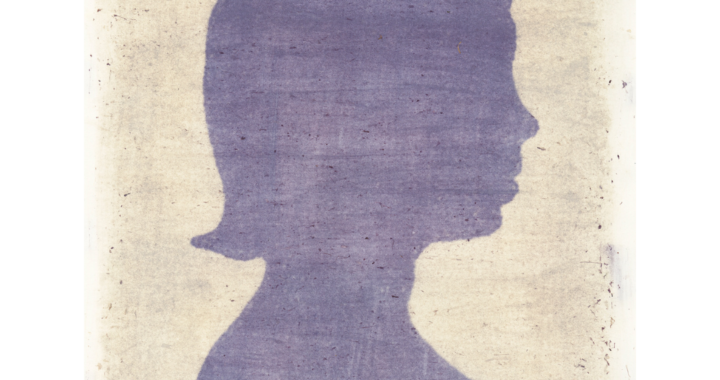
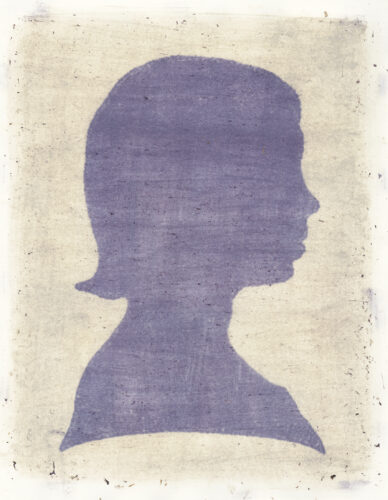
Red Daylily, Emily at 14 – negative
(from silhouette of Dickinson cut by Charles Temple 1845)
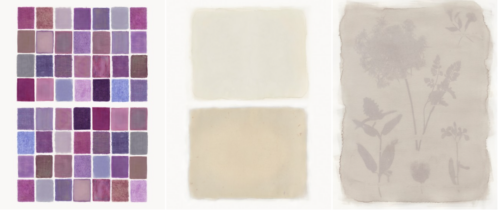
This Earthen Door is an eco-feminist collaboration that reanimates Emily Dickinson’s herbarium for the 21st century. Marchand and Sobsey remade Dickinson’s original herbarium pages using anthotypes, a plant-based photographic process developed during the poet’s era.
The artists extracted pigments from plants they grew and harvested by hand—the exact species that Dickinson herself cultivated or collected in the nearby woods and meadows of Amherst, Massachusetts. The project involved intensive studio practice and collaborative research with botanists.
By focusing on this intersection of art and science, This Earthen Door underscores the enduring relevance of archives while shedding light on the historically overlooked scientific and artistic contributions of women. The artists remind us that historical archives are not static. Instead, they are living resources that can help us navigate our shared ecological future.
Reflecting on Dickinson’s poem, “New feet within my garden go — / New fingers stir the sod —” (FR 79), Wald noted that Marchand and Sobsey’s work represents a perfect modern realization of those “new fingers” interacting with Dickinson’s legacy.
In a time marked by widespread climate anxiety and ecological instability, the artists’ work asks a vital question: How can a renewed, tactile attention to plants reshape our understanding of the present moment—and our shared futures?
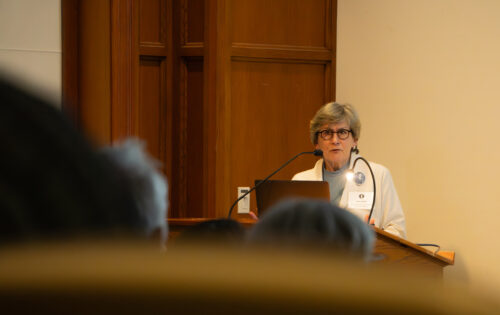
Jane Wald, Emily Dickinson Museum Keiter Family Executive Director
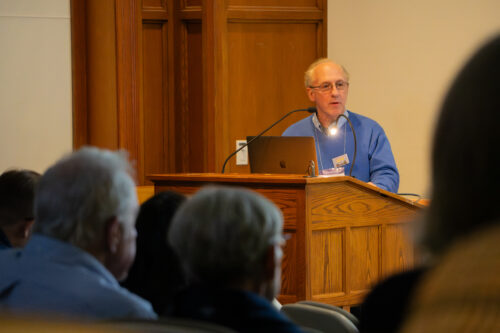
Chris Bogan, Emily Dickinson Museum Board Member
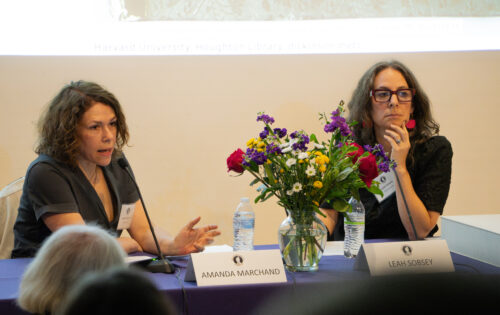
Amanda Marchand and Leah Sobsey, artists
About the Artists
Leah Sobsey is an award-winning artist and Associate Professor of Photography at the University of North Carolina, Greensboro. Her multidisciplinary photographic practice reaches into the fields of science, design, and installation. Specializing in plant-based printing techniques, her experimental photo-based work explores the natural world through archives and taxonomies. Learn more at leahsobsey.com.
Amanda Marchand is a Canadian, New York-based photographer, educator, and writer whose practice explores the environment, landscape, and experimental, plant-based photographic processes. She uses an experimental approach to photography to investigate the natural world and our changing climate. Learn more at amandamarchand.com.